

Table of Content

Swing Check Valve Sizes
1/2 to 48"

Lift Check Valve Standards
ASME B16.34

Types of Check Valves

Inline Check Valve Temperature
-29 - 425 °C

Pressure Seal Check Valve End Connection

Foot valve Pressure Rating
Class 150 - 3000

Lift check valves Benefits

Non slam check valves Testing Methods

Lined check valve Valves Disadvantages

Threads of Tilting Disc Check Valves
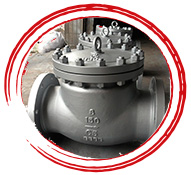
Swing Check Valve
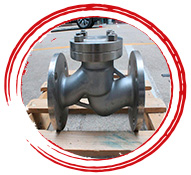
Lift Check Valve
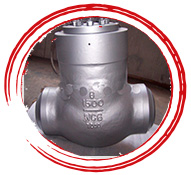
Pressure Seal Check Valve
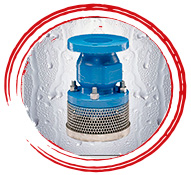
Foot Valve
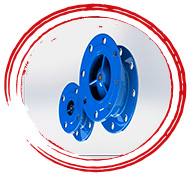
Non Slam Check Valves
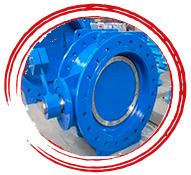
Tilting Disc Check Valves
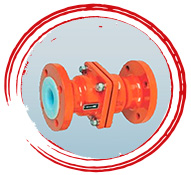
Lined Check Valve
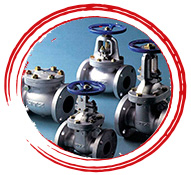
Cast Steel Low Pressure Check Valve
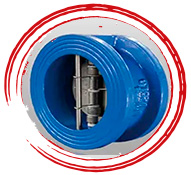
Non Slam Wafer Check Valve
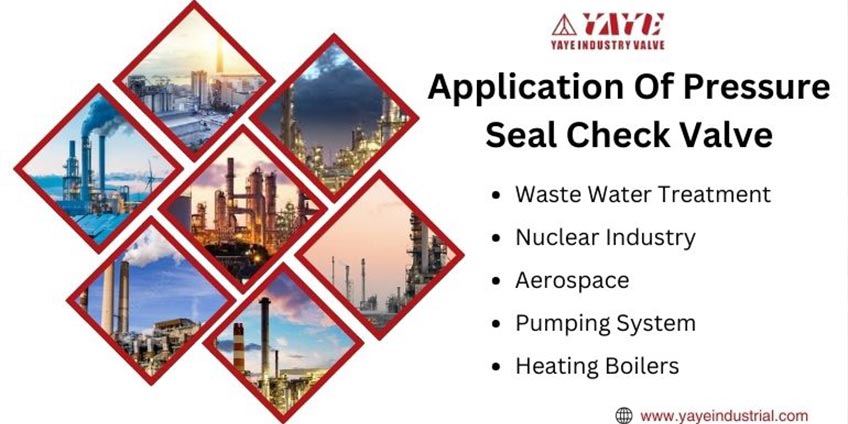
Application Of Pressure Seal Check Valve
Difference Between Non Slam Check Valve and Swing Check Valve

| Non Slam Check Valve | Swimng Check Valve |
|---|---|
| Designed to close smoothly and prevent sudden pressure surges | Closes due to gravity |
| Use a spring to close gently, | Depends on the force of the reversing flow and gravity |
| Minimize the risk of water hammer | Generate pressure surges when closed |
| Suitable for applications with higher pressure | Suitable for applications with lower pressure |
6 Things To Remember Before Buying Check Valve From Yaye Industrial
What Is The Difference Between Check Valve And Ball Valve
| Check Valve | Ball Valve |
|---|---|
| Used to prevent backflow | Used to control the flow of fluid |
| Allow flow in one direction | Either allow or block flow. |
| Manual Intervention Not Needed | Can Be Operated manually |
What Happens When a Check Valve Fails?
Copyright © 2025 Yaye Industrial | All rights reserved.